Every label starts with the right construction.
The surface, printing process and working environment all influence how a label performs. FADERN brings paper, films and finished formats together in a catalogue built around these choices.

Paper, films and label formats selected around your packaging, printing process and working environment.
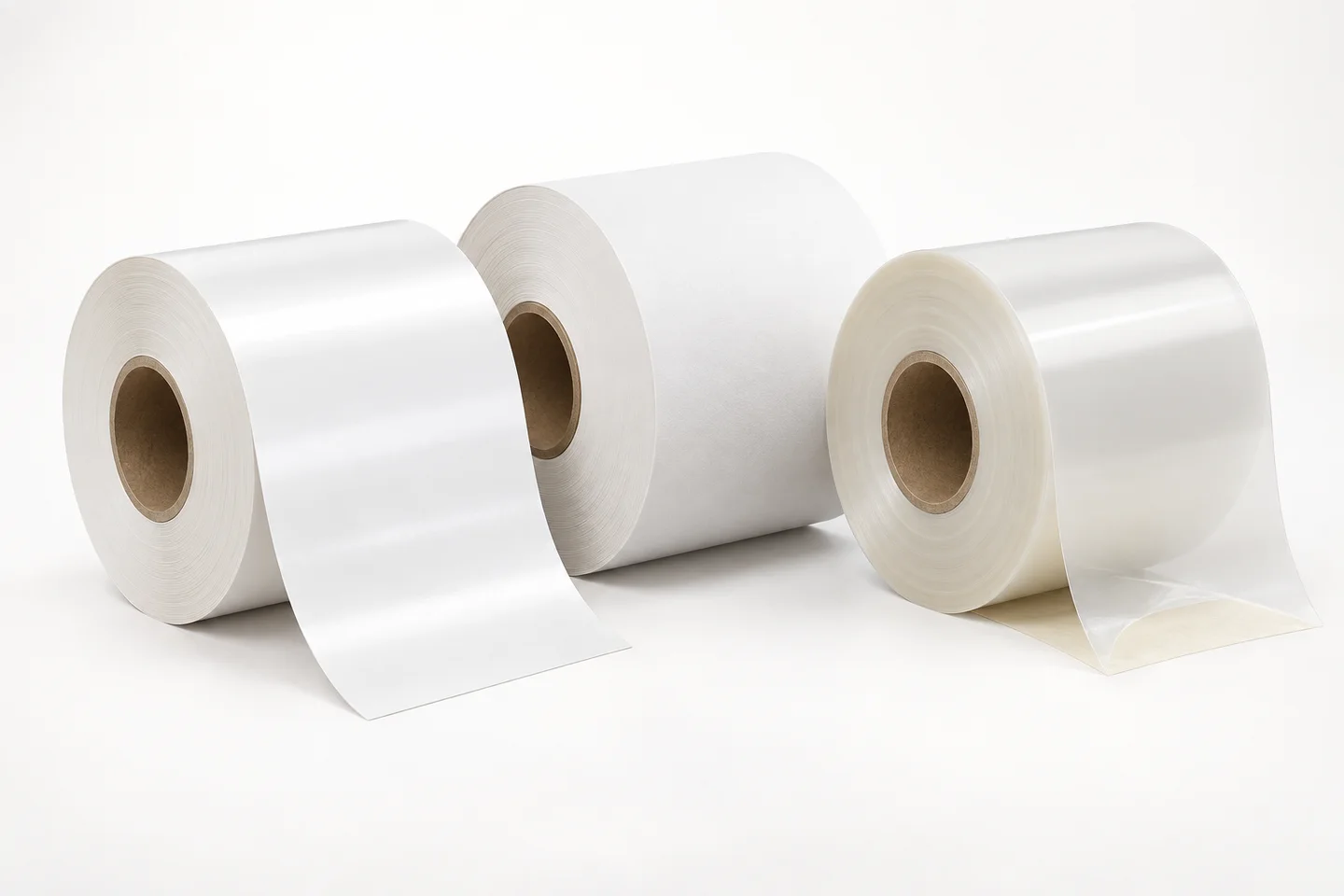
Explore materials, formats and application requirements in one organised catalogue.
Paper and film materials for label converters. Select the face material, adhesive and liner as one construction.
Explore →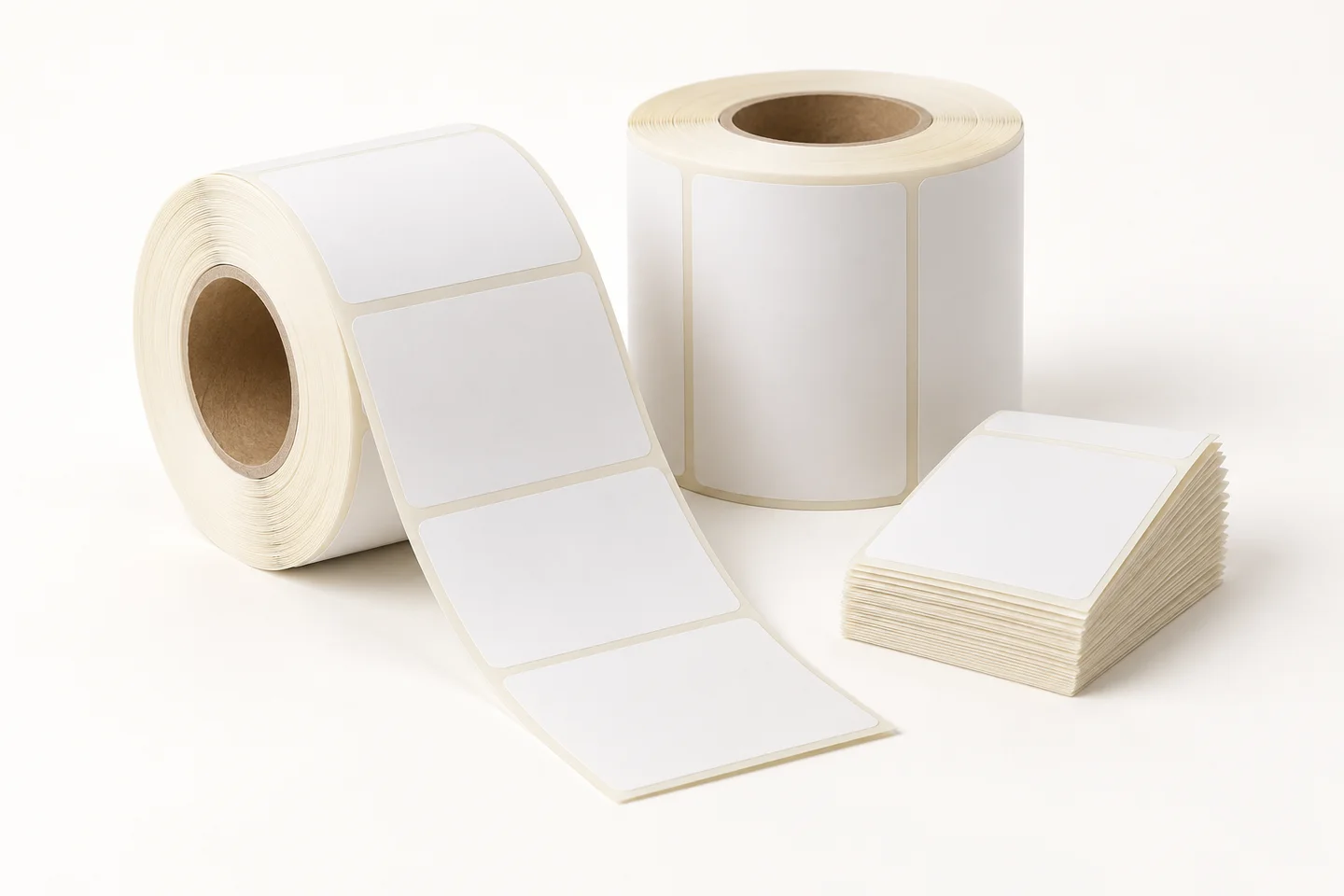
Ribbon-free printing for variable information, dispatch and everyday identification.
Explore →
Packaging labels designed around your container, artwork and application process.
Explore →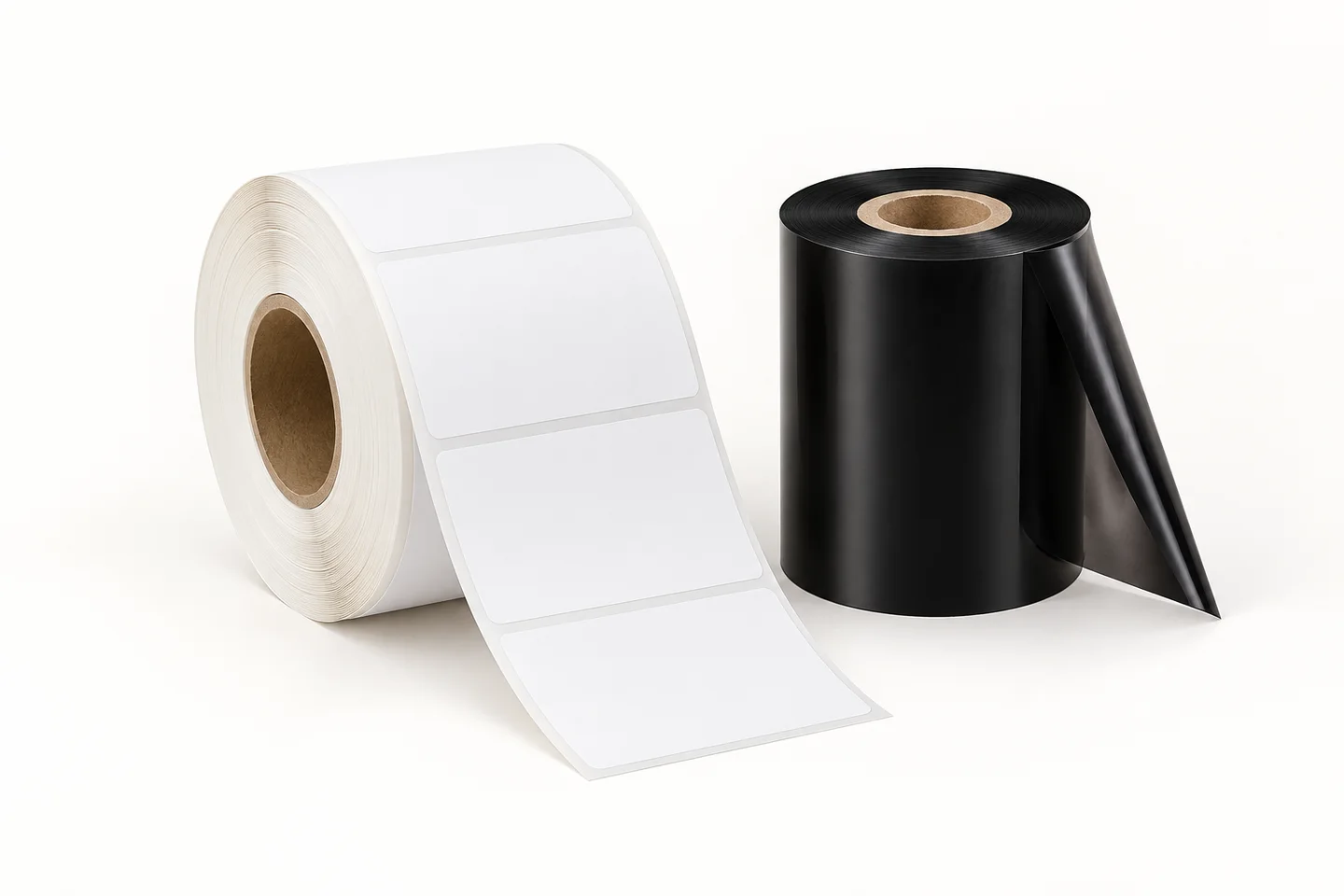
Paper and synthetic formats matched to your ribbon and required print durability.
Explore →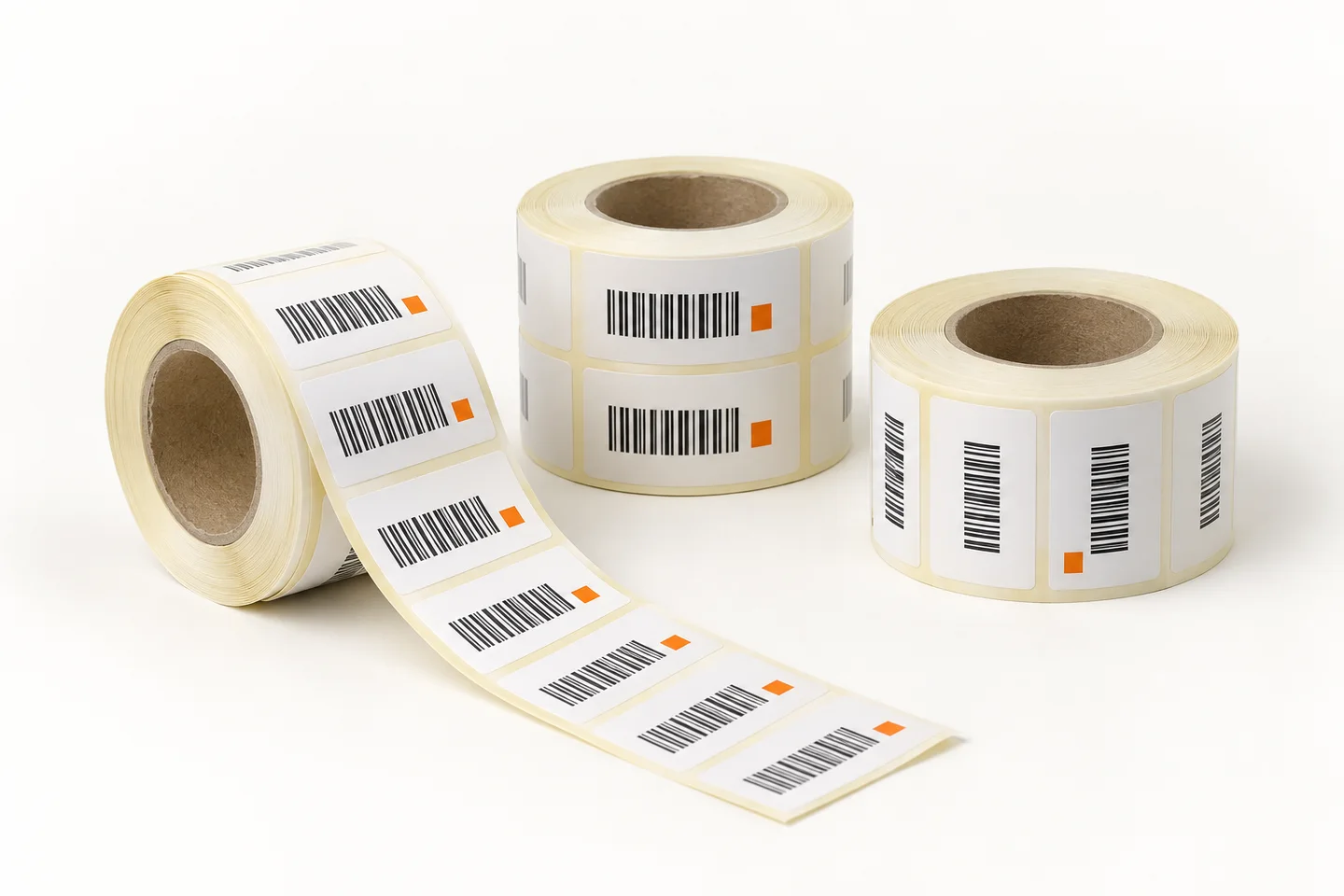
Variable weight, price and barcode information for retail workflows.
Explore →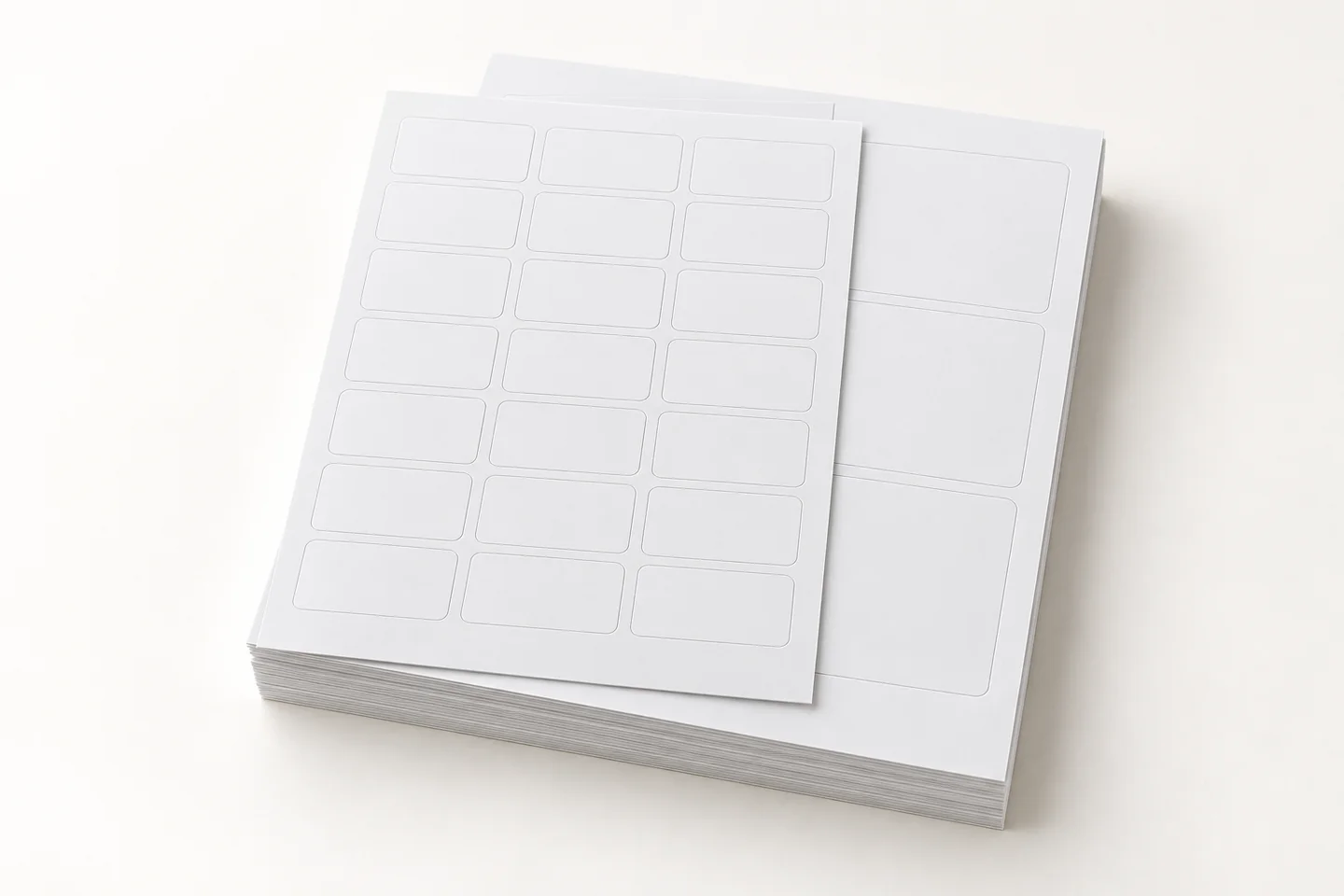
Sheet formats for compatible laser and inkjet printing systems.
Explore →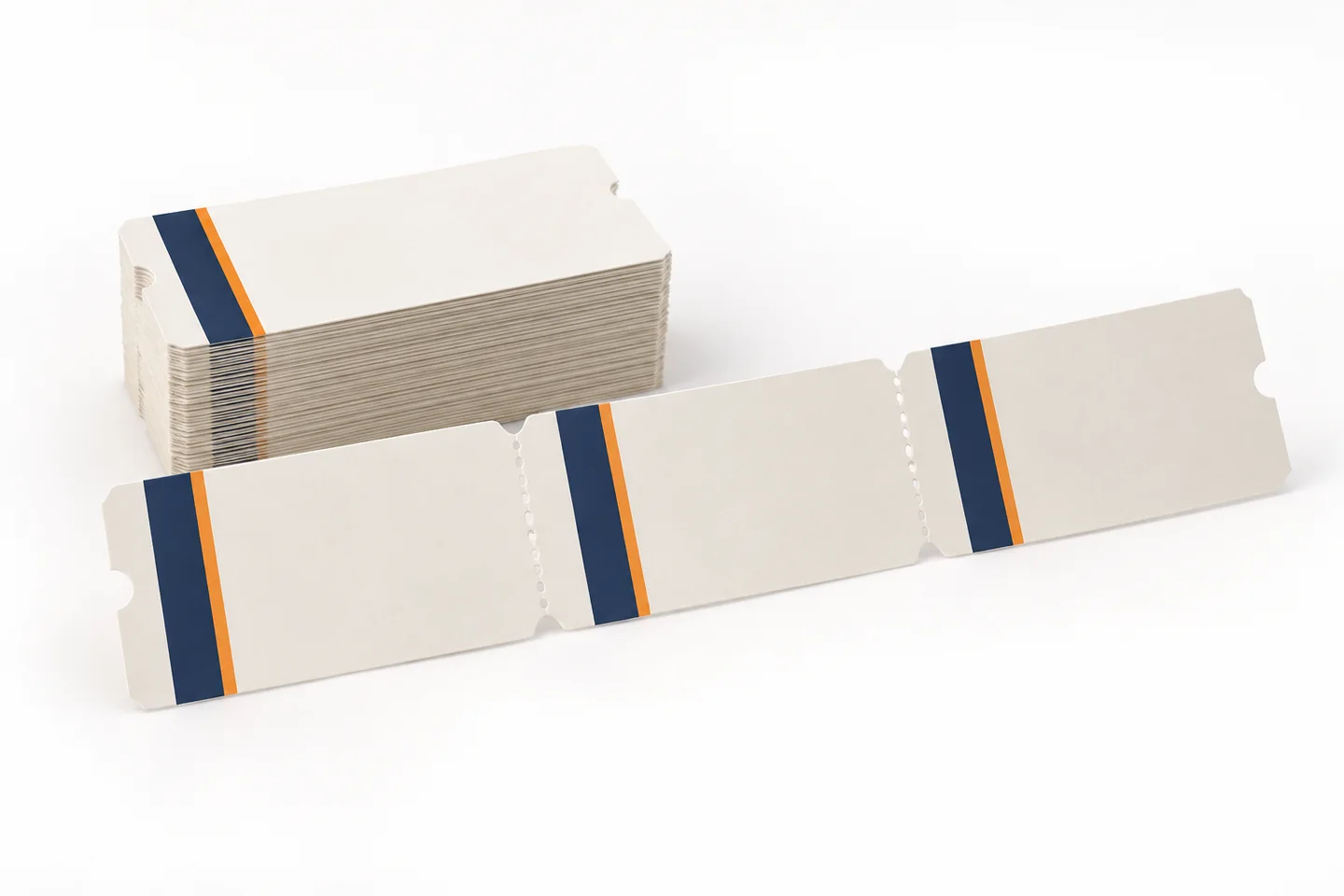
Ticket media specified for the relevant printing, sensing and feed system.
Explore →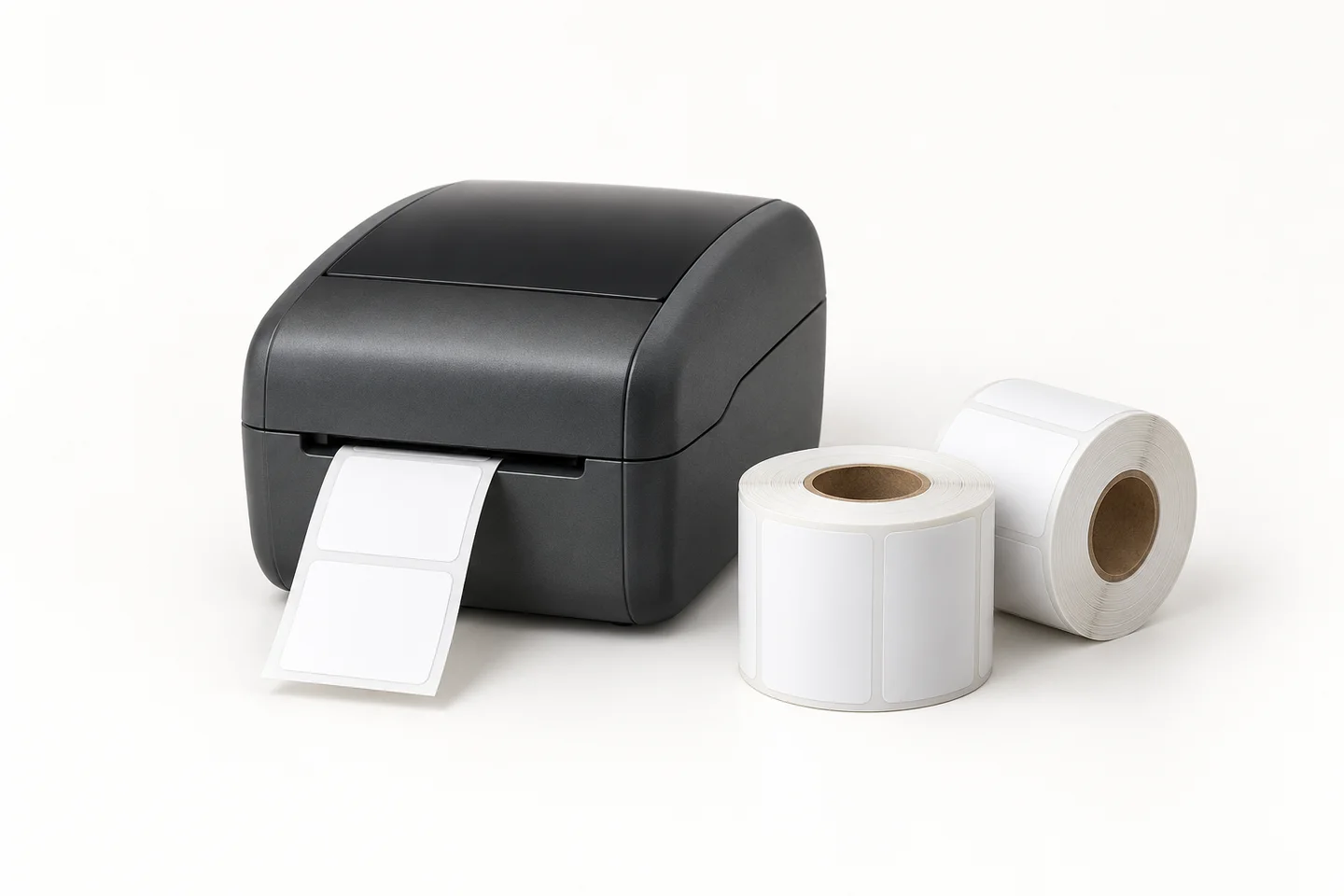
Compact label formats for identification at the point of work.
Explore →The surface, printing process and working environment all influence how a label performs. FADERN brings paper, films and finished formats together in a catalogue built around these choices.
What will the label adhere to?
Which printer, ink or ribbon will you use?
What temperature, moisture and handling must it withstand?
Face material, adhesive and release liner form the foundation of a self-adhesive label. The construction is selected to suit the application.

Specify packaging, moisture, cooling and whether direct food contact is involved.
Explore →Define traceability, legibility, label life and every expected process exposure.
Explore →Consider oils, moisture, container flexibility and the desired finish.
Explore →Match barcode format, print speed, carton surface and handling conditions.
Explore →Confirm scale compatibility, variable data layout and the packaging surface.
Explore →Identify solvents, cleaning agents and required information retention before specifying resistance.
Explore →Define surface, abrasion, heat and the required identification life.
Explore →